GenPro Blue Day 2025: Turning AI from Concept to Capability in Maritime Procurement

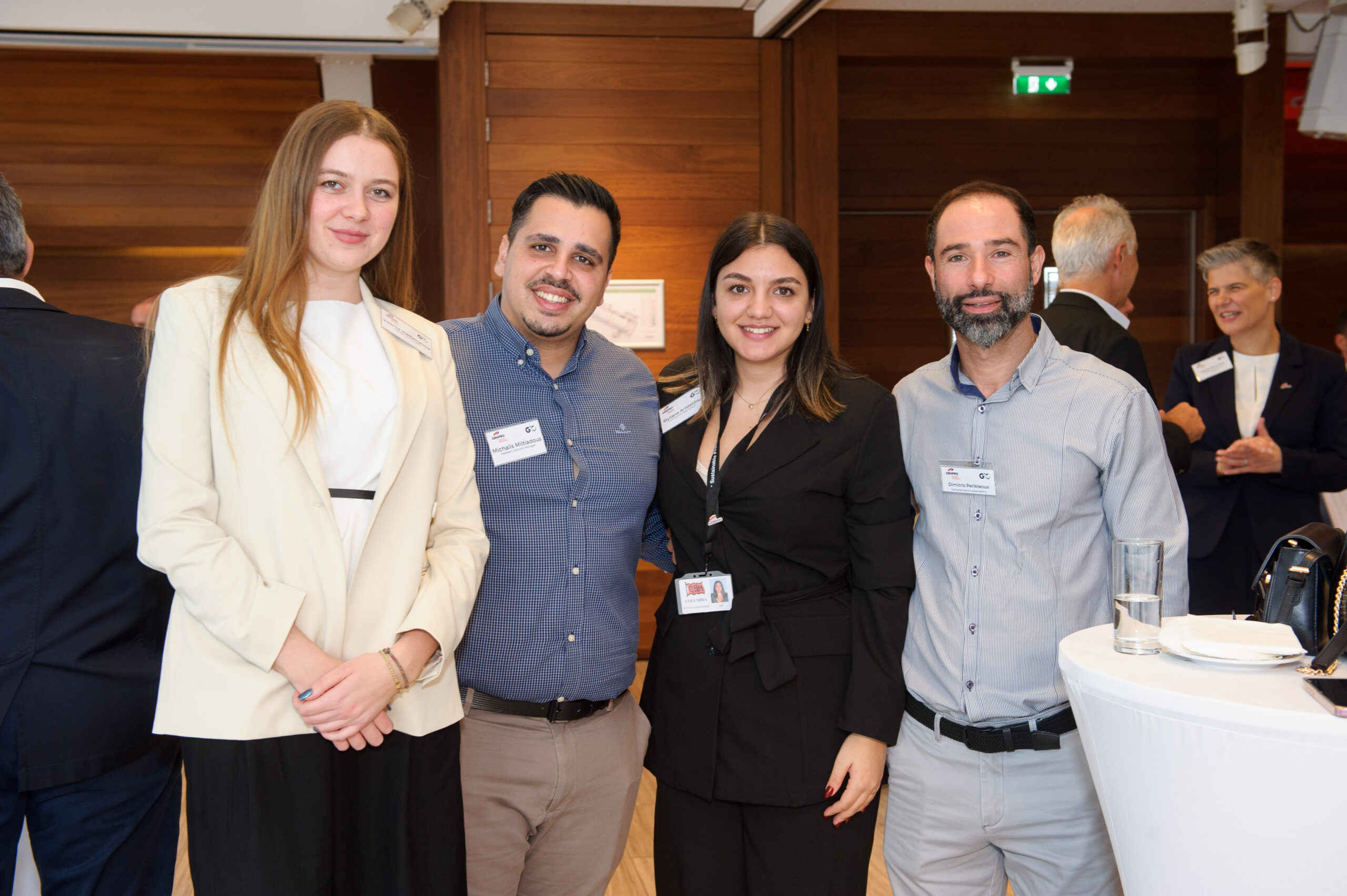
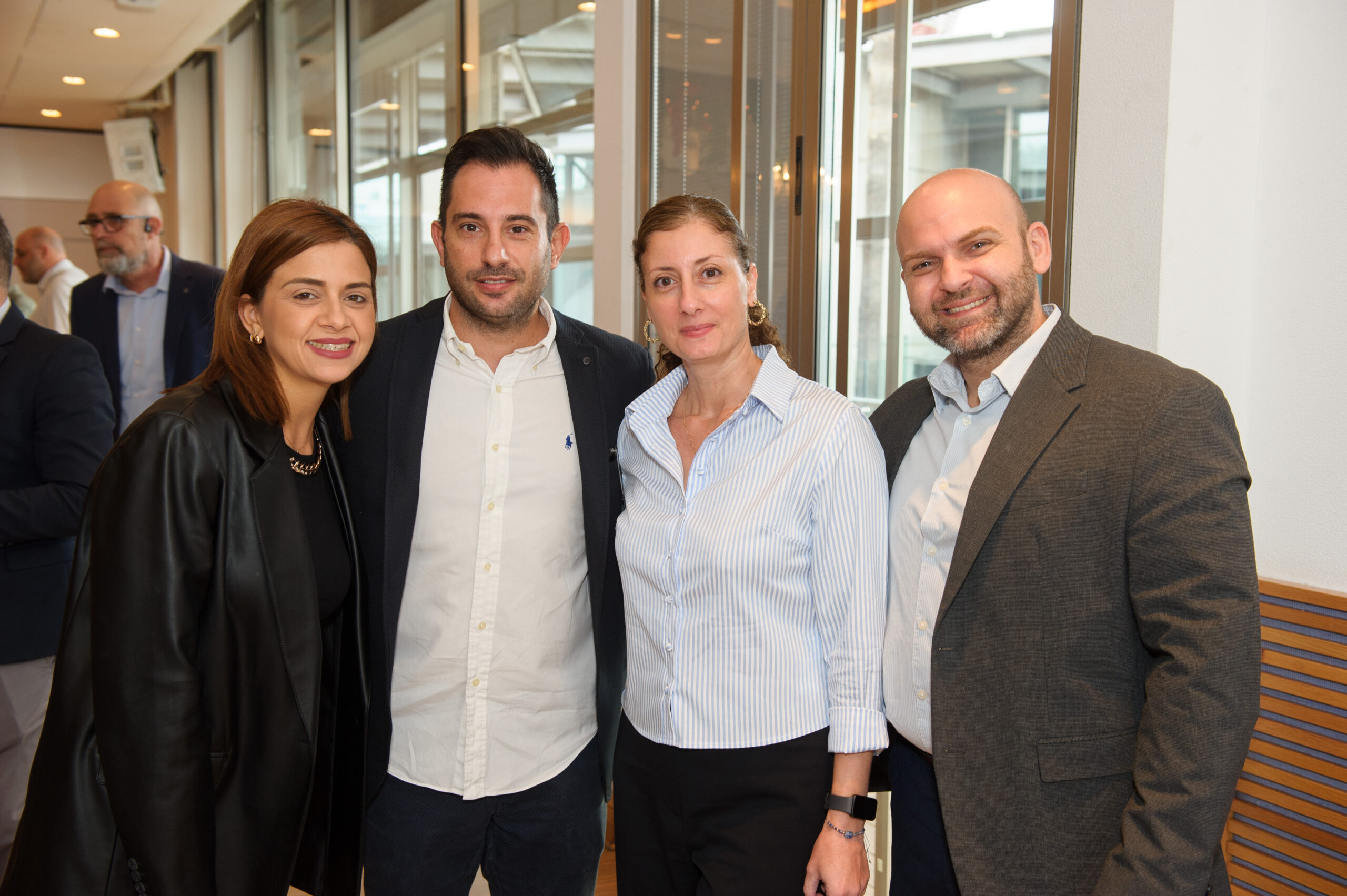
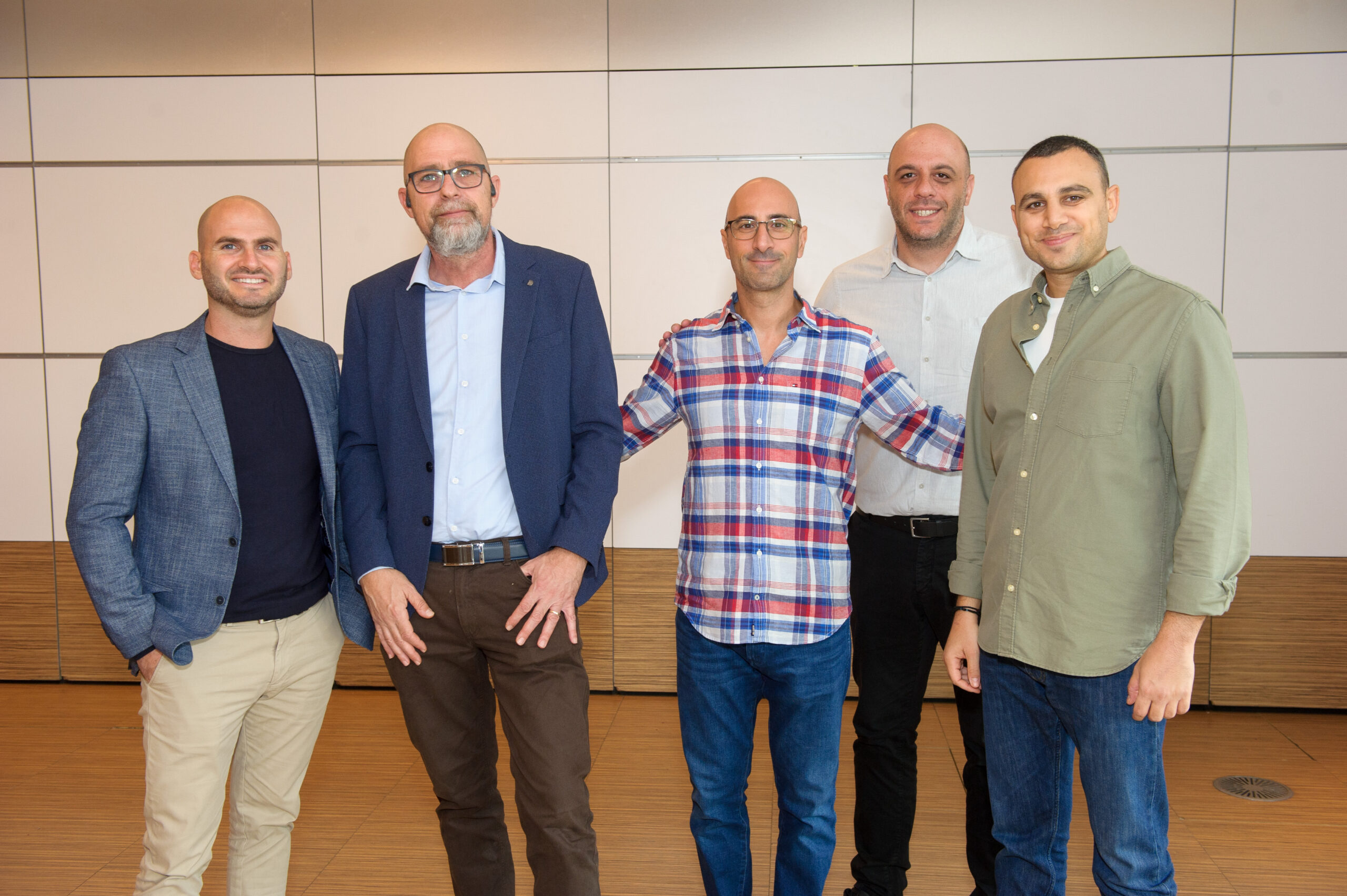
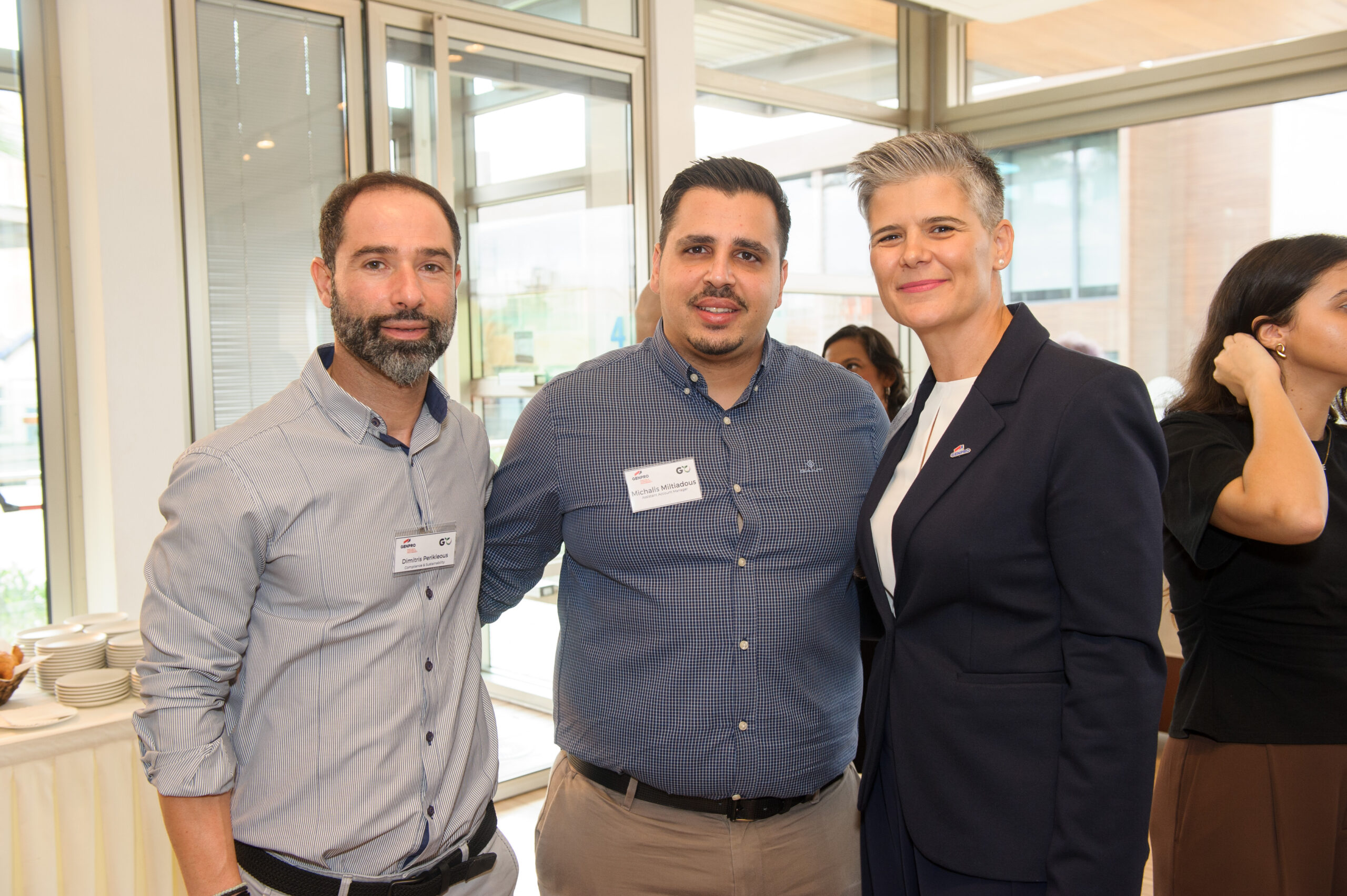
GenPro’s 5th Annual Blue Day, held on Wednesday 25 November at Columbia Plaza in Limassol, brought together procurement specialists, shipmanagement leaders, and technology innovators for a deep examination of how artificial intelligence can be meaningfully embedded into maritime sourcing and procurement.
Blue Day has become an annual moment where we, as an industry, pause to reflect on the issues that genuinely shape maritime procurement.
This year’s theme—“Single Point of Truth: Turning AI into Action in Sourcing and Procurement”—captured a clear industry shift: moving beyond AI hype toward disciplined, data-driven implementation.
Across the maritime world, interest in AI is accelerating. But Blue Day’s central message was clear-cut: AI succeeds only when organisations have the foundations in place—clean data, clear governance, and practical workflows.
AI in Maritime Procurement: From Buzzword to Business Tool
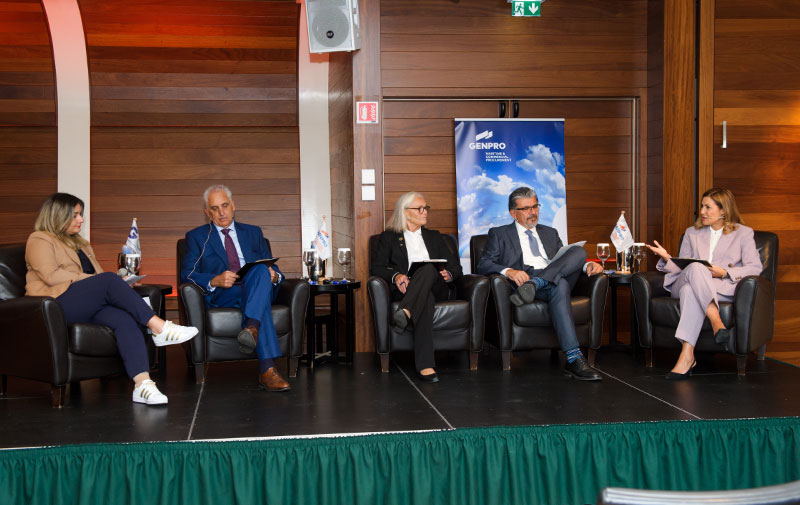
The session took the form of a fireside chat with:
- Maria Theodosiou, Managing Director, GenPro
- Christina Orfanidou, Head of Group AI, Columbia Group
- Margarita Maimonis, CEO, Exelia Technologies
Speaking to both in-person and livestreamed audiences, the panel outlined how AI is reshaping procurement—but also why many organisations struggle to turn potential into performance.
Data Discipline: The Make-or-Break Factor
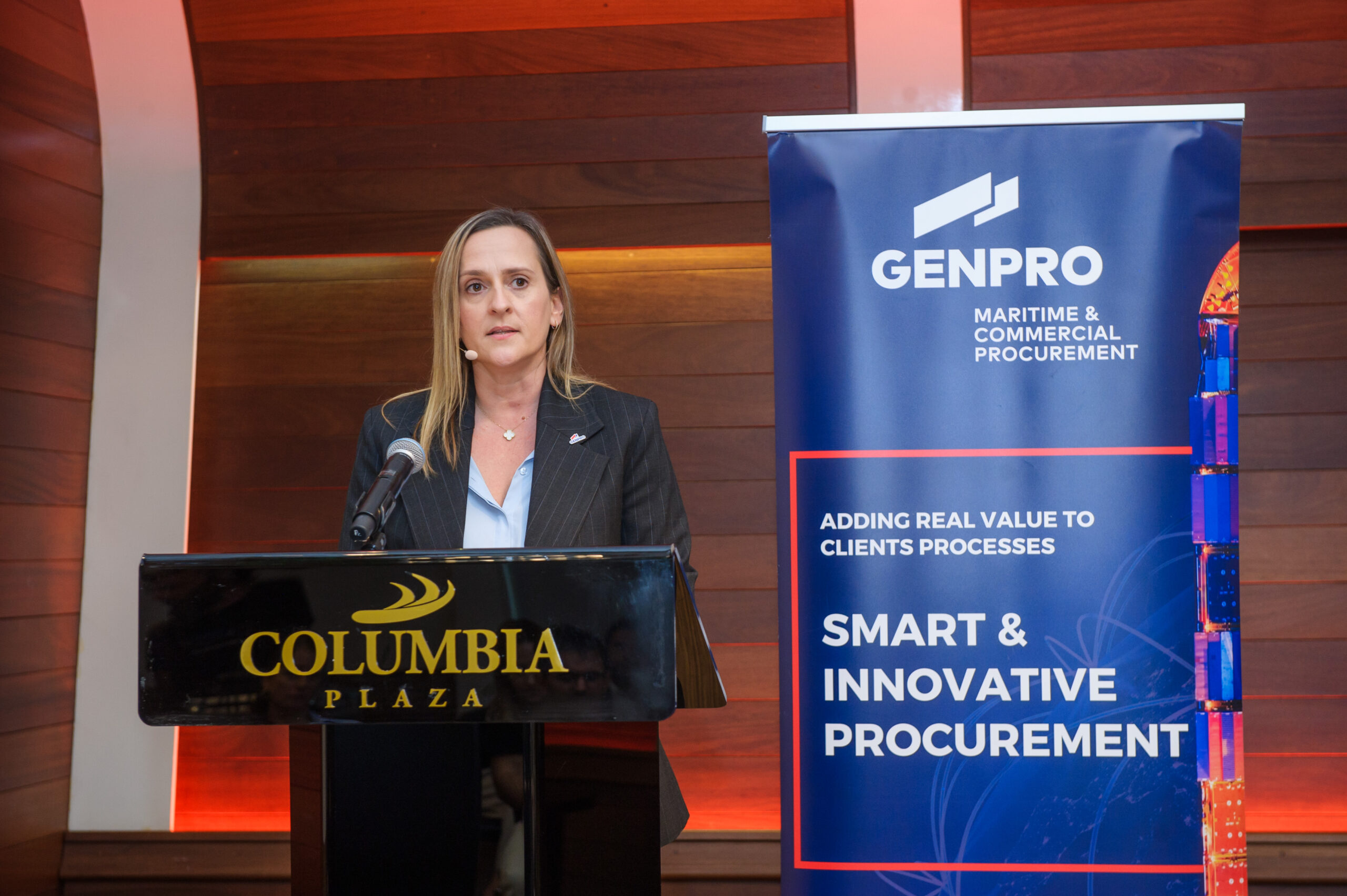
Opening the discussion, Ms Theodosiou framed the challenge succinctly:
“AI cannot fix chaos. AI is not magic. Your data needs to be consistent. If your data is inconsistent, AI will simply automate the chaos faster.”
Her point resonated across the room. The maritime sector handles enormous volumes of technical and commercial data, yet discrepancies in catalogues, pricing, or part numbers remain widespread. Even minor inaccuracies can distort analytics, misguide procurement decisions, and erode confidence in automated tools.
Starting Small: Why Early Wins Matter
On practical implementation, Ms Maimonis emphasised that transformation requires realistic scope and incremental progress.
“You cannot think you are going to take on the whole beast from A to Z. You have to digitise processes, remove fragmentation and start small with one realistic use case.”
This reflects a broader trend seen across maritime digitalisation: many AI pilots fail not because the technology is flawed, but because expectations are mismatched to organisational readiness.
Governance Becomes Non-Negotiable
A major portion of the discussion centred on governance—an area often overlooked in early AI rollouts.
Ms Orfanidou highlighted the urgency of structured data models, auditability, and continuous monitoring, especially with the EU AI Act and ISO 42001 now defining regulatory expectations.
“Data governance is the answer. You need classification schemes, data quality KPIs and clear ownership… Building a single point of truth is the foundation for both AI and reliable reporting.”
This reflects a transformation underway across the maritime supply chain: AI is no longer just an efficiency tool—it impacts compliance, ESG reporting, risk management, and transparency across owners, managers, and suppliers.
Redefining Roles: AI as an Enabler of Human Value
The conversation also touched on workforce transformation. AI is expected to take over repetitive tasks, enabling teams to shift toward strategic work, relationship management, and creative problem-solving.
As Ms Maimonis stated:
“We should not have human beings doing repetitive tasks. The grunt work will go, and it should go.”
Younger professionals—Ms Orfanidou noted—already expect AI-enabled environments. Companies that embrace modern tools may gain an advantage in attracting digitally fluent talent.
A Look Ahead: AI as a Collaborative Journey
During the Q&A session, an audience member asked how data engineering bridges an organisation’s vast “ocean of data” with its ability to use AI effectively.
His question underscored the need to turn raw, messy data into something structured and trustworthy. The panel responded that data engineering is now one of the most critical and sought-after skills in modern AI work. They noted that while AI models are increasingly commoditised, building strong data pipelines and governance still requires experts who understand both data and business needs. The discussion closed with agreement that treating data as a core asset is essential for unlocking genuine AI value.
Closing the session, Ms Theodosiou summarised the key points and emphasised that AI should be viewed not as a replacement for human expertise, but an enhancement.
“AI is not here to replace anyone, but teams who structure and govern their data will move faster and make better decisions.”
Her message underscored a collective responsibility: organisations must invest in people, upskill teams, and build workflows that help AI serve—not disrupt—the rhythm of procurement.












media
Related articles

GenPro hosted its “Wake Up to What’s Next” Breakfast Networking Event on Tuesday 7 October against the scenic backdrop of the Mediterranean Beach Hotel.

This year, we are honored to announce that Jan Hoffmann, Head of the Trade Logistics Branch at UNCTAD (UN Trade & Development), will be our keynote speaker.
Following close on the heels of Cyprus Maritime Week, maritime and commercial procurement company GP General Procurement Company Limited (GenPro) held its annual Blue Day Event in Limassol, Cyprus under the auspices of the Cyprus Shipping Deputy Ministry.
Teamwork and sustainable action were the twin themes of this year’s Green Day event.
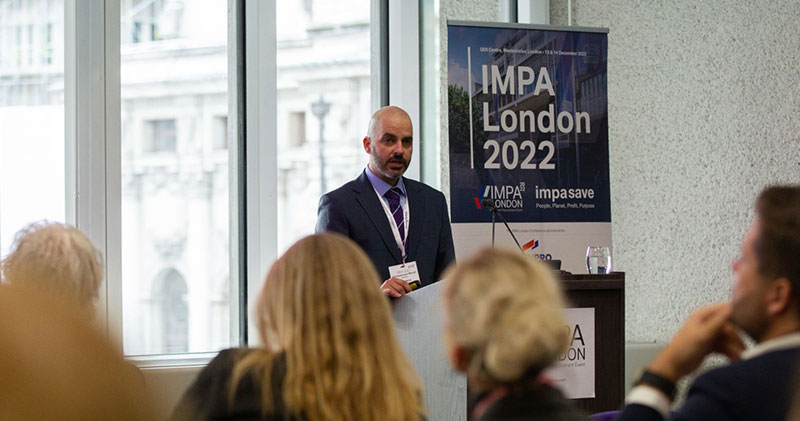
Meet the GenPro team at the IMPA London on the 10th and 11th of September 2022. Bringing together maritime industry leaders for over 45 years,